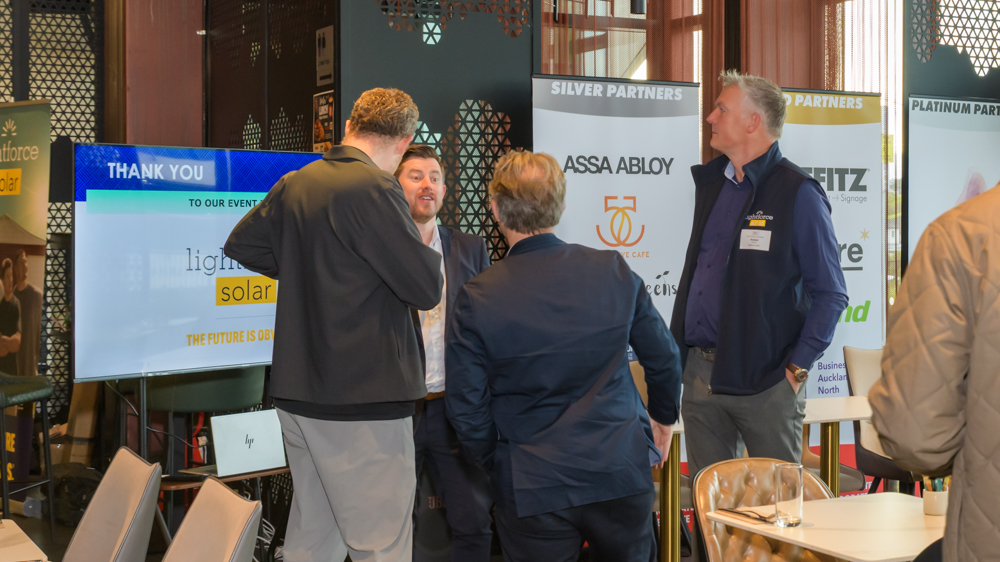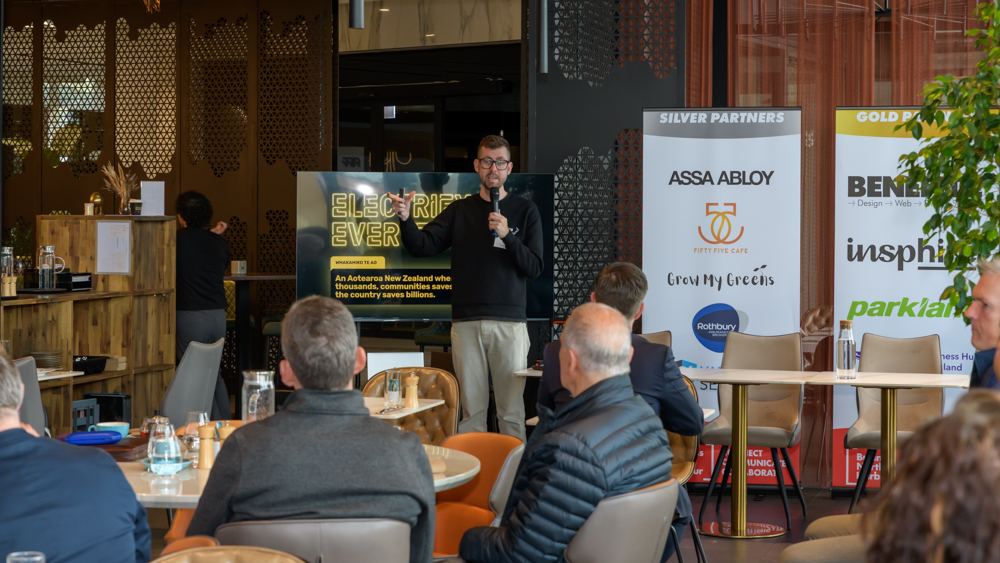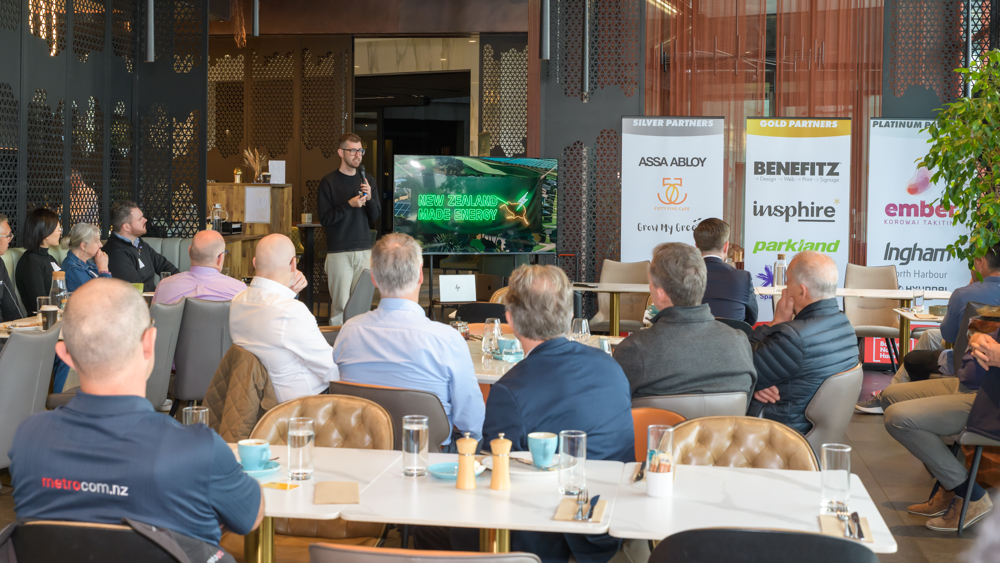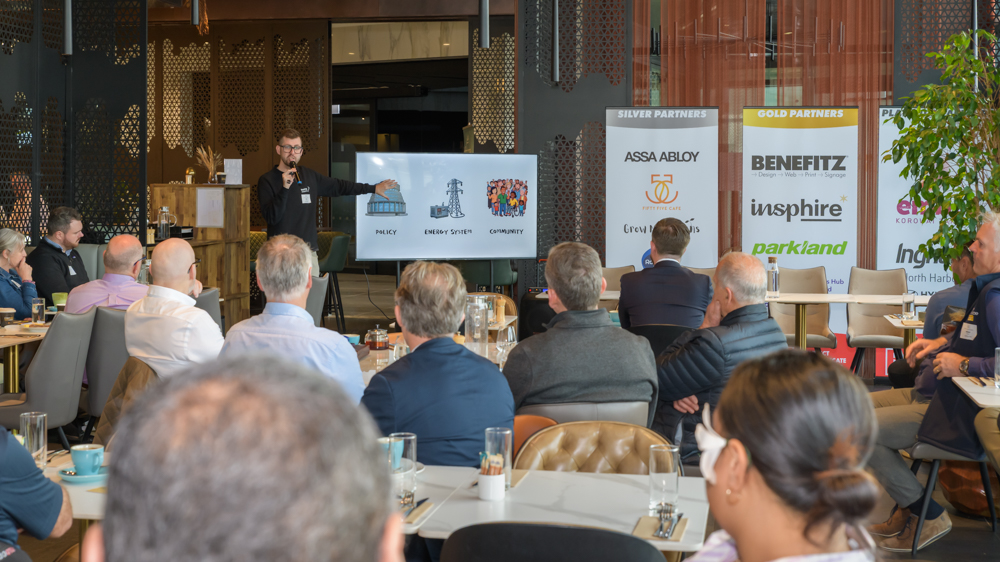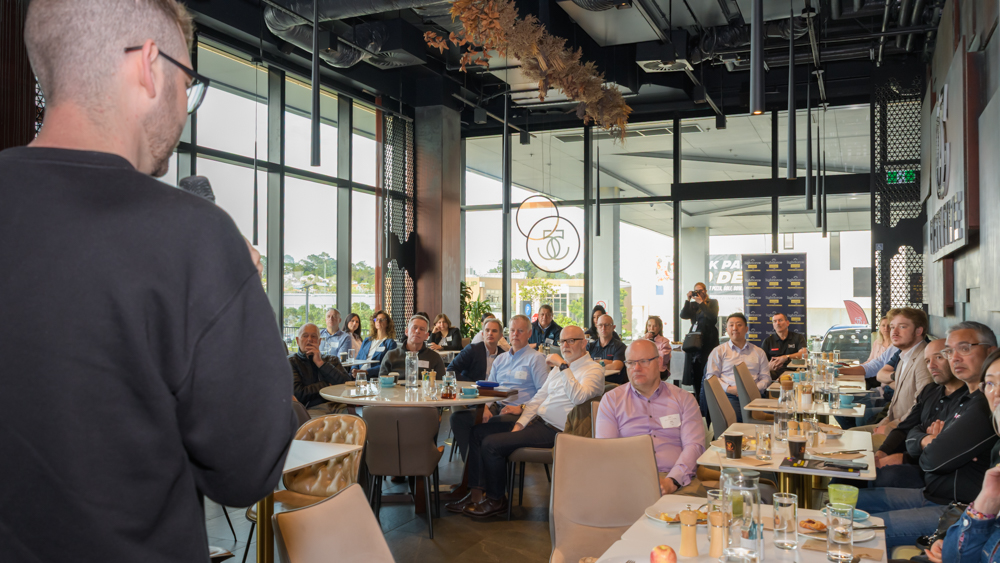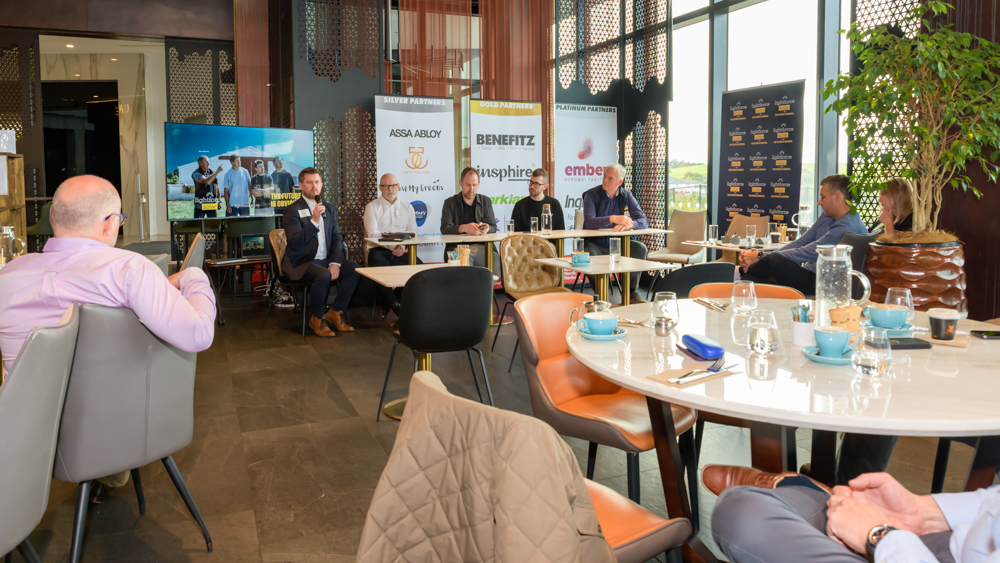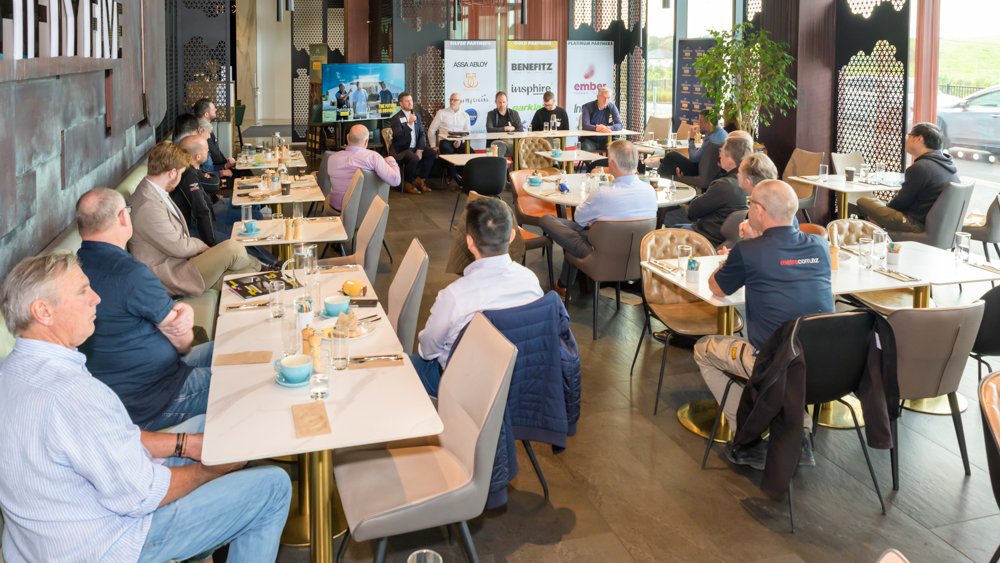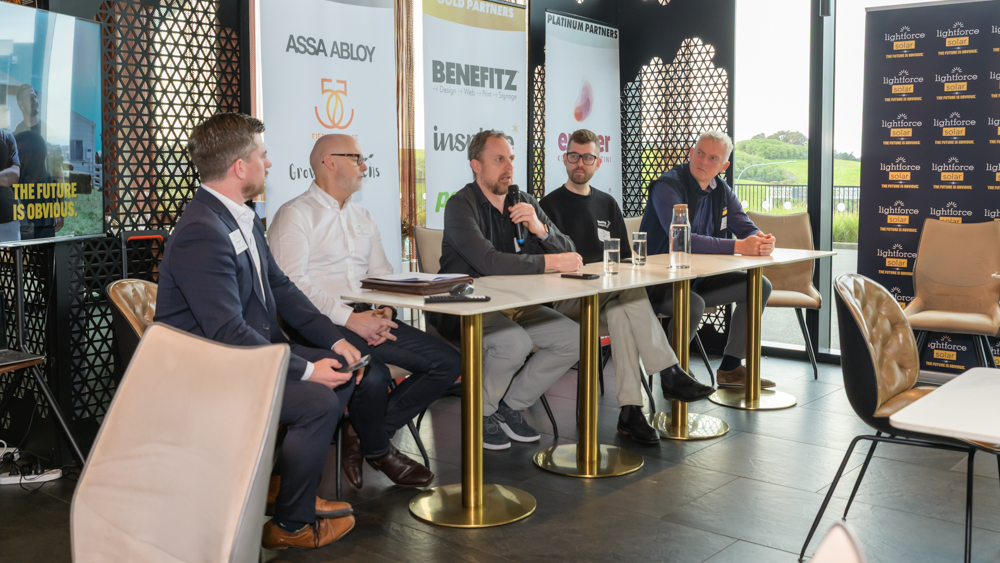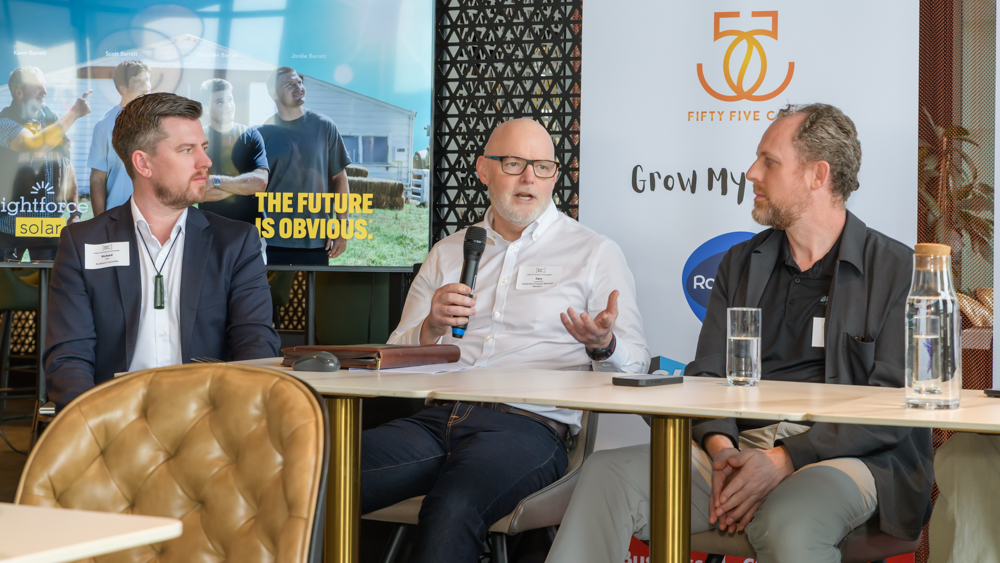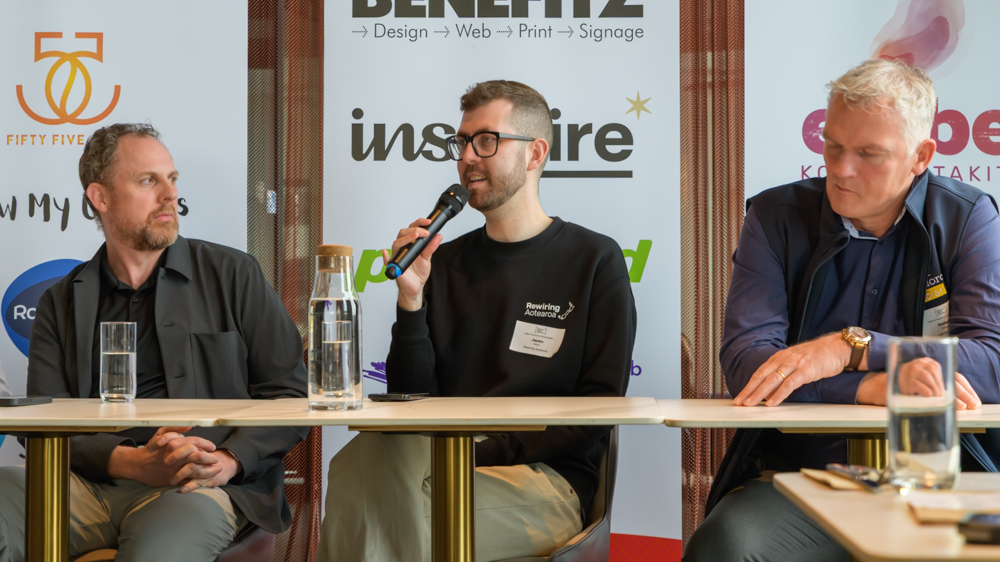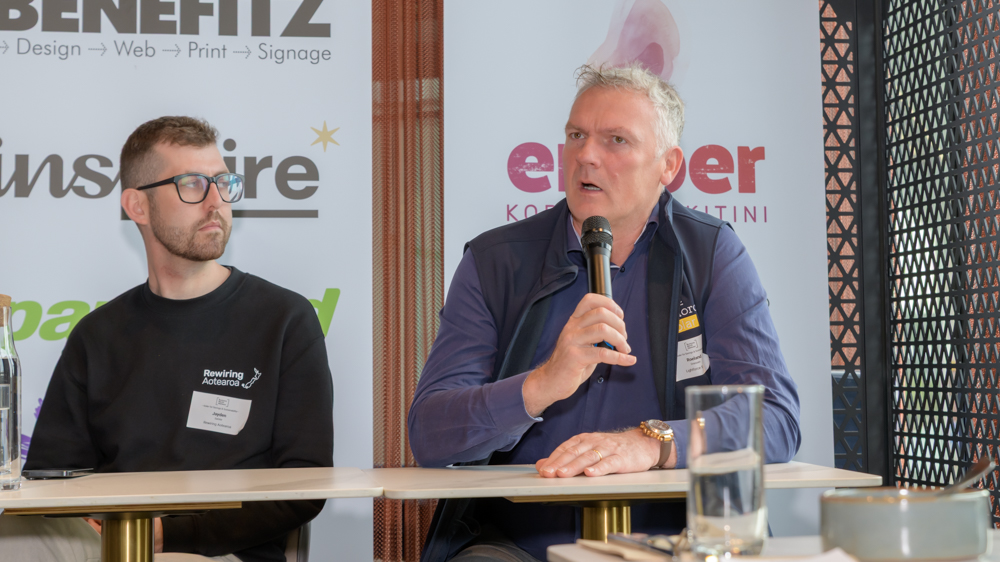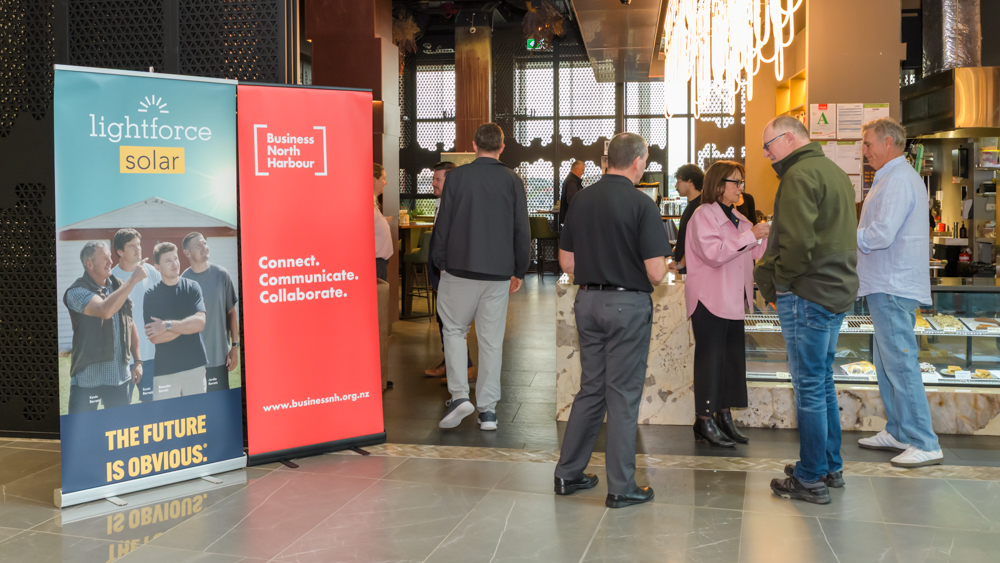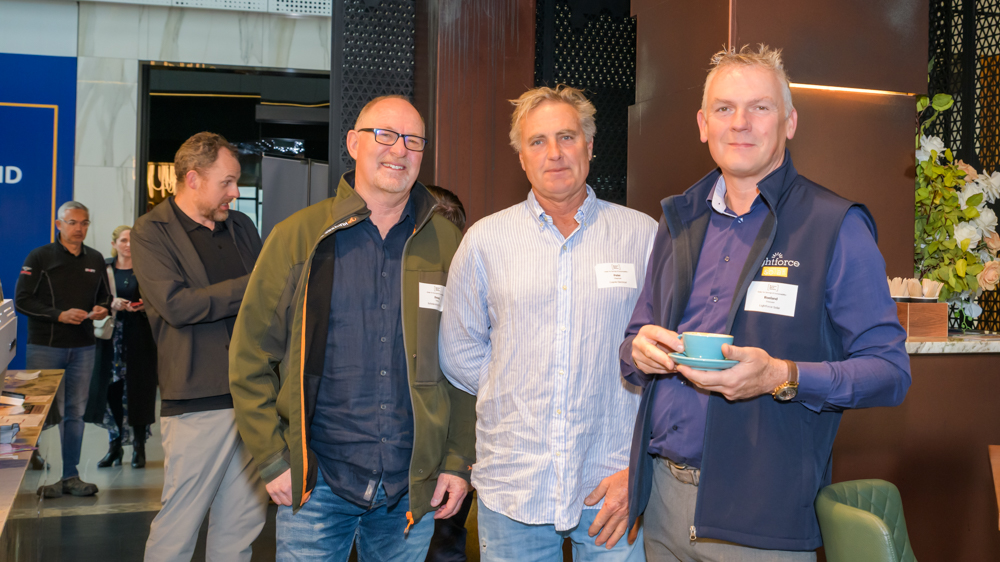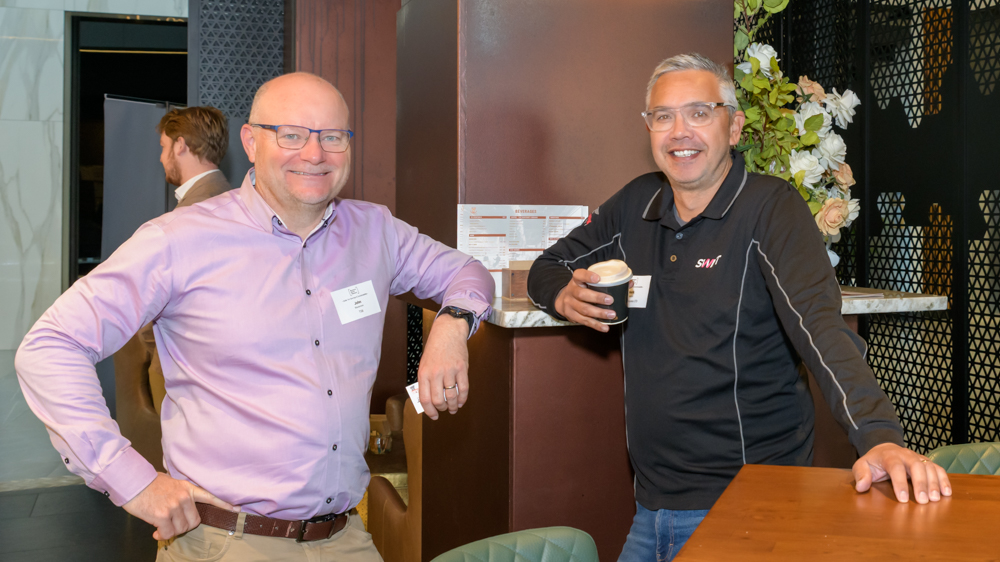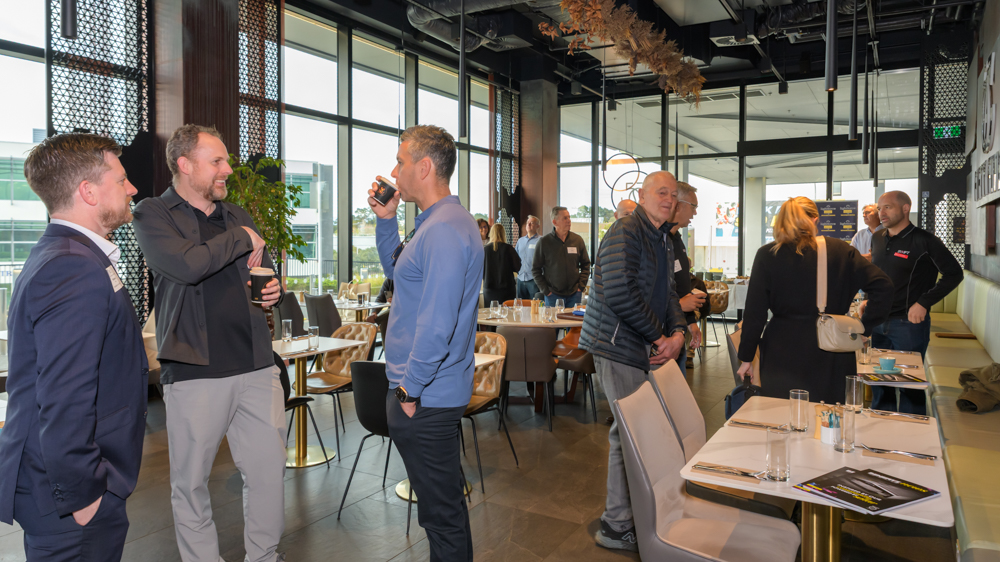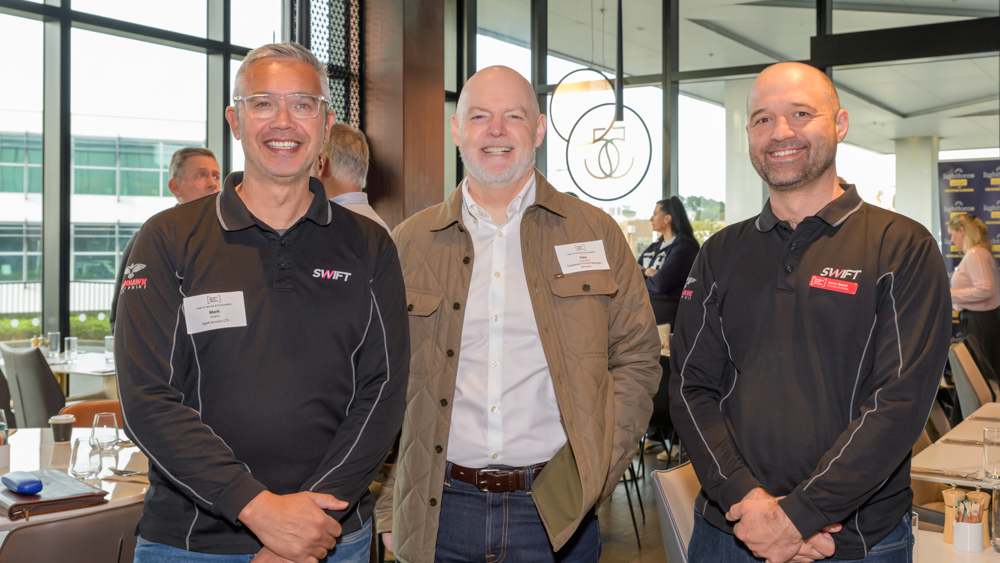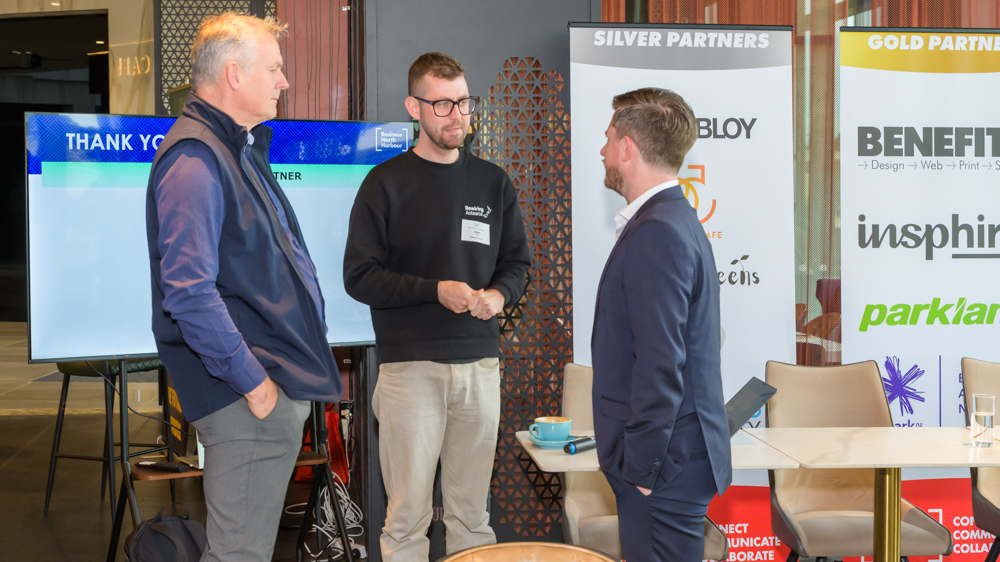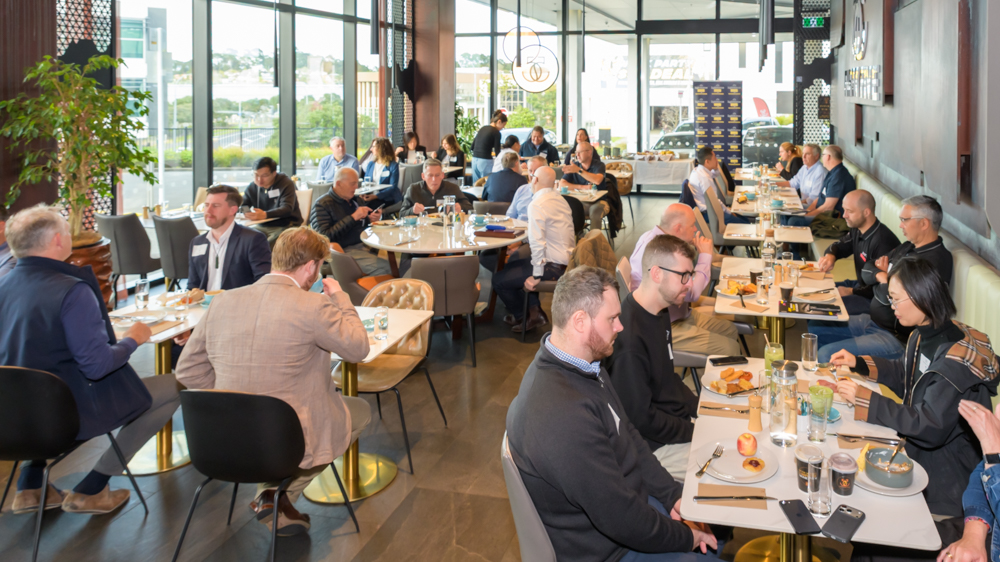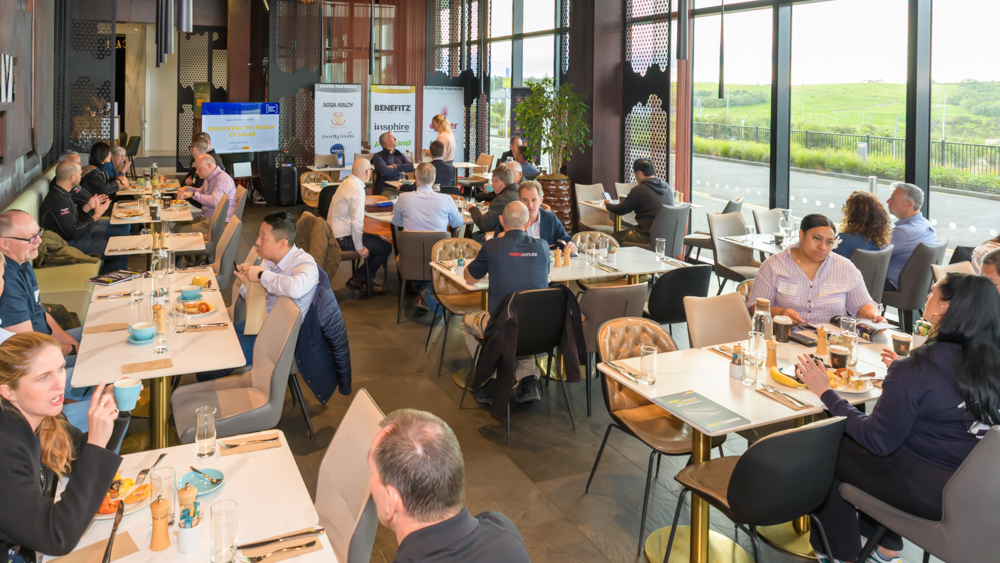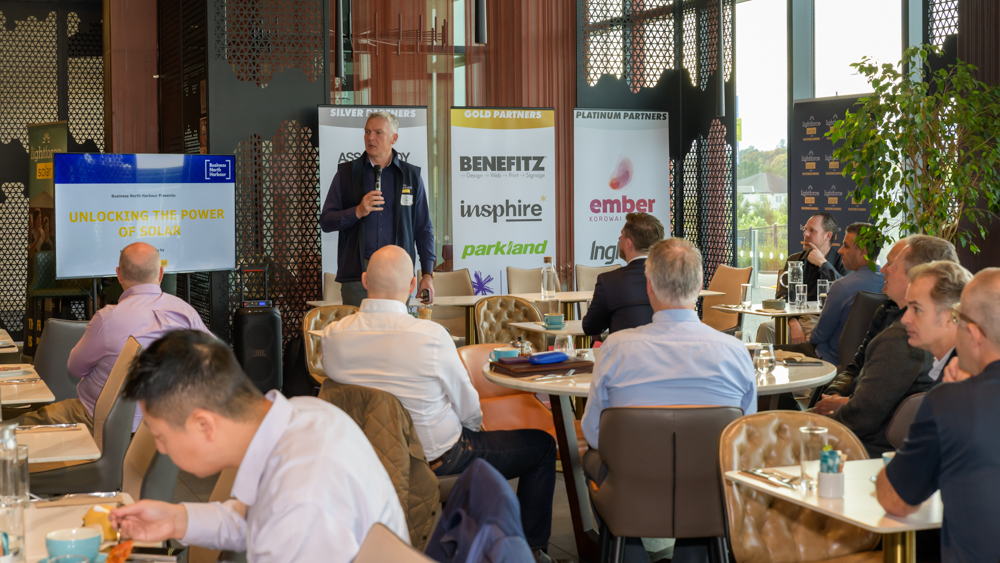
Business North Harbour and Lightforce brought local businesses together on Thursday morning, 17th September 2026, at 55 Café for an energising, future‑focused session on solar power, exploring how renewable energy is becoming one of the most practical pathways to reducing operating costs while strengthening sustainability commitments.
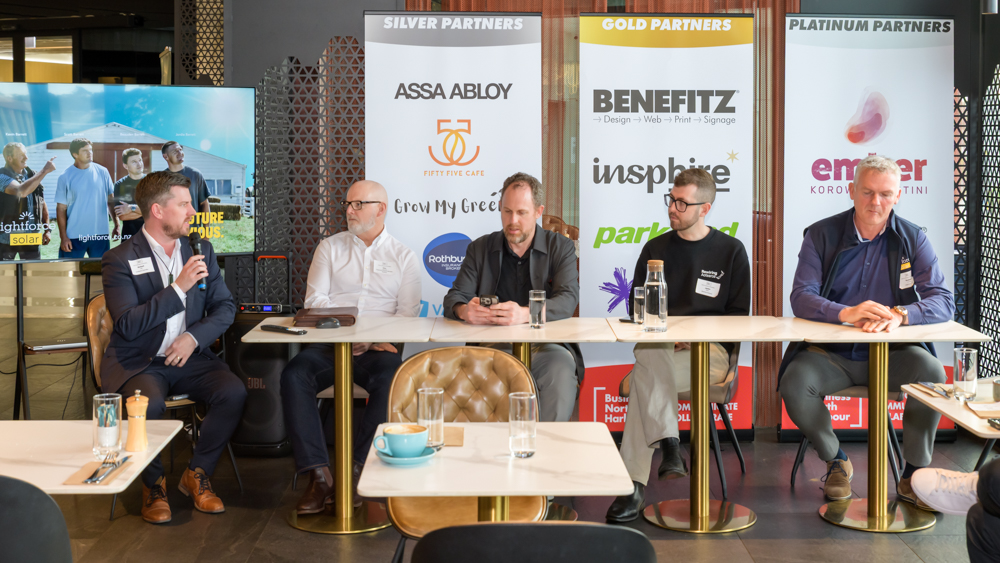
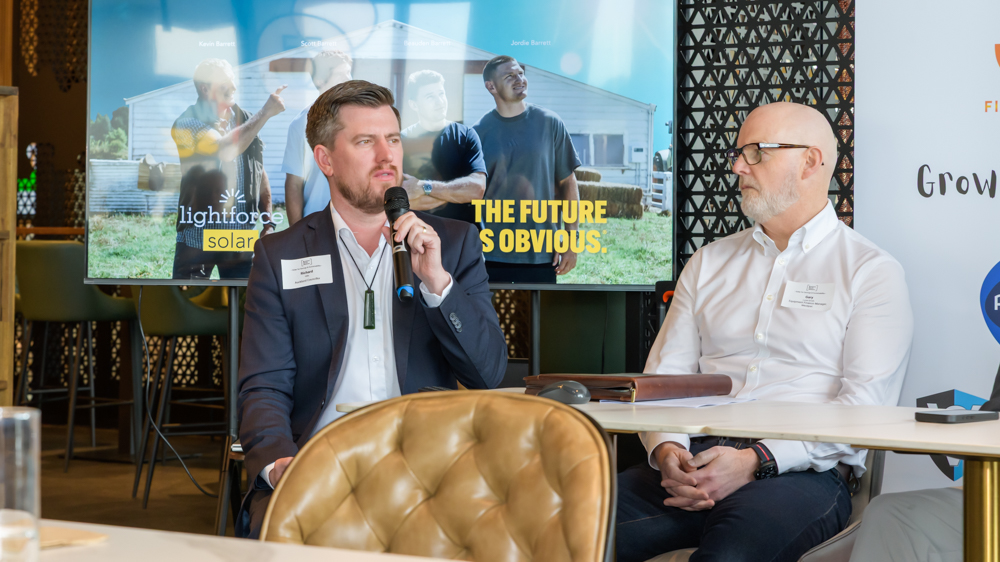
For New Zealand businesses, solar power is rapidly shifting from a sustainability gesture to a strategic investment. It offers a way to cut energy costs, accelerate electrification, and transform the business roof into a productive asset. That idea echoed across the event’s speakers, from Jaydan Salzke of Rewiring Aotearoa, who challenged businesses to rethink long‑term energy decisions, to Roeland Driessen of Lightforce, who unpacked the commercial realities behind solar adoption. Panellists Rob Gunston of Benefitz and Gary Lucie‑Smith of Westpac added practical perspectives on implementation, cost savings and financing, while MC Auckland Councillor Richard Hills connected these insights to Auckland’s wider sustainability and resilience goals.
The Solar for Savings & Sustainability event delivered clear, actionable insights for organisations considering the shift to solar, whether driven by financial efficiency, environmental responsibility, or both.
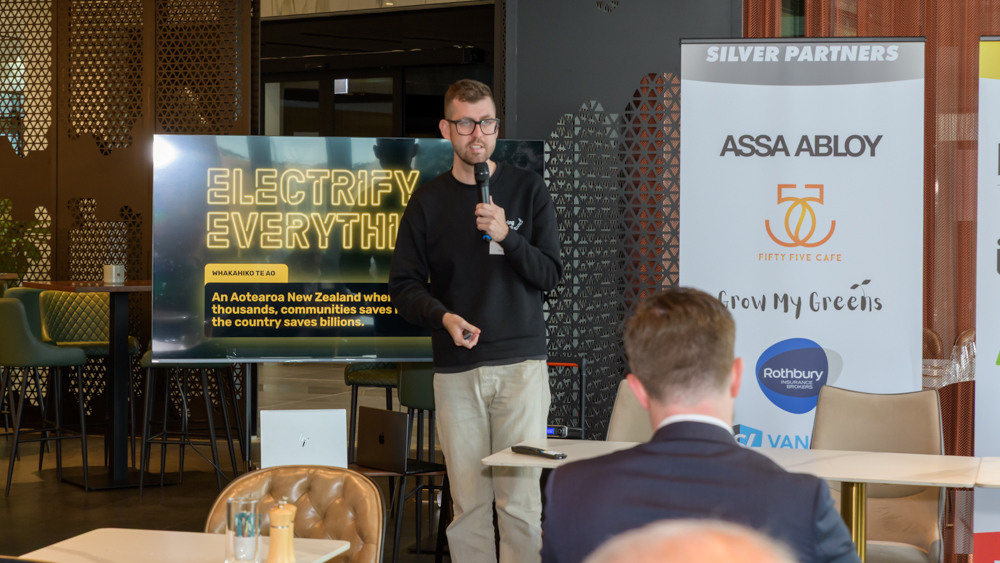
A Changing Energy Landscape
Jaydan Salzke of Rewiring Aotearoa opened the discussion by urging businesses to revisit assumptions they may have made about energy several years ago. The economics of solar, batteries and electric technology have shifted rapidly, while the cost of traditional energy continues to rise.
Salzke encouraged businesses to think strategically about upcoming decisions, whether replacing vehicles, machinery or heating systems and to consider how electrification could reduce costs over time. As he put it, the challenge is “how can we switch over those decisions and those machines in a way that will save you money in the shortest amount of time?”
Solar, he explained, can play a central role in that transition. Businesses operating during daylight hours are often well positioned to use solar power as it is generated, reducing reliance on the grid and improving energy resilience. Salzke emphasised that New Zealand should be making far greater use of the renewable energy it can produce locally, noting that “New Zealand‑made energy should be on roofs, being made, using it, and making as much of our own energy as we can here.”
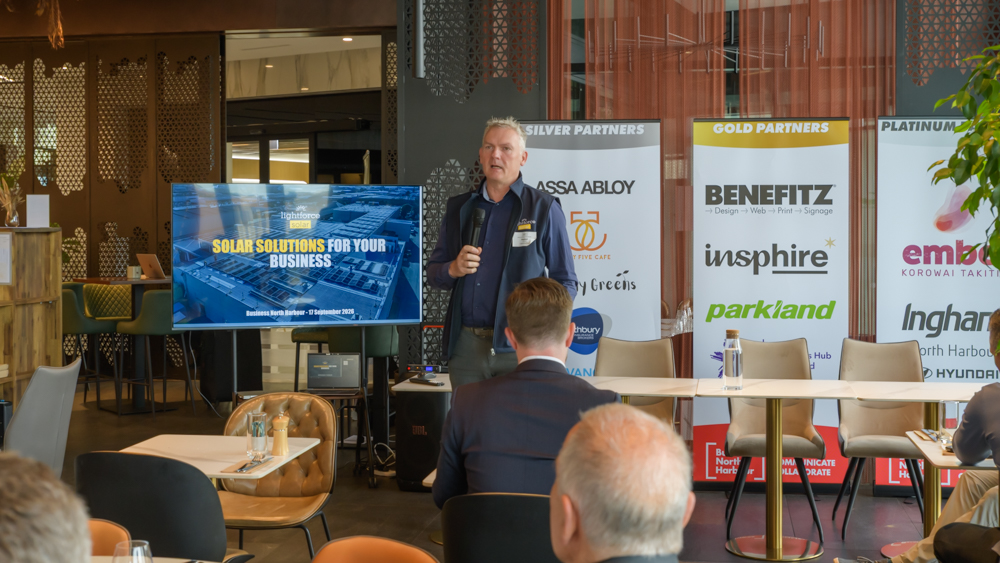
The Numbers Behind Solar
Roeland from Lightforce followed with a clear breakdown of the commercial economics of solar. He reframed the conversation away from the upfront cost of installation and toward a comparison with the long‑term cost of continuing to purchase electricity from the grid.
Commercial premises, he noted, are often particularly well suited to solar because their energy use aligns with daylight hours. He also addressed the common temptation to wait for solar technology to become cheaper. While equipment prices may fluctuate, the cost of grid electricity continues to rise, meaning that waiting can erode potential savings.
Roeland highlighted financing options that allow businesses to spread the cost of installation while using the system’s savings to offset repayments. He also outlined alternatives such as sustainable lending and power purchase agreements for businesses that prefer not to purchase a system outright. The result is a shift in thinking: solar becomes not just a capital expense, but a long‑term operating‑cost strategy.
A Business Putting Sustainability Into Practice
Rob Gunston from North Shore business Benefitz provided a practical example of how sustainability can be integrated into a broader business strategy. Benefitz has been working across several fronts, reducing emissions, transitioning parts of its fleet to electric, and diverting waste from landfill. Solar is another step in that journey.
Gunston’s experience demonstrated that sustainability doesn’t need to be tackled through one major project. Incremental changes across energy, transport, waste and operations can build on one another, reducing emissions while improving efficiency and lowering ongoing costs. For businesses considering solar, his message was clear: treat solar as part of a wider plan for how your business uses energy, not as an isolated environmental initiative.
The Auckland Perspective
North Shore Councillor Richard Hills broadened the conversation to Auckland’s regional context. Despite its reputation as a clean and green city, Auckland faces a significant emissions challenge. Hills highlighted the progress already made in electrifying council operations, from expanding the electric bus fleet to transitioning council vehicles.
He also discussed the growing use of solar on council facilities and the role locally generated energy can play in reducing operating costs. Importantly, Hills emphasised resilience: with extreme weather events placing pressure on infrastructure, distributed energy generation and battery storage offer organisations another tool to strengthen operational continuity.
Making the Investment Possible
For many businesses, the biggest question is not whether solar will save money over time, but how to fund the initial investment. Gary Lucie‑Smith, Equipment Finance Manager at Westpac, outlined how equipment finance can help businesses invest in solar without needing to cover the full upfront cost.
From Sustainability Project to Business Strategy
Across the panel discussion, a clear theme emerged: the case for solar is changing. Solar can reduce reliance on grid electricity, lower long‑term energy costs and contribute to emissions reduction. Combined with electric vehicles, machinery, batteries and other technologies, it can form part of a broader transition away from imported fossil fuels.
As Salzke summarised, “when it comes to getting the cheapest energy, solar has just become unequivocally the cheapest form of energy.”
The message for businesses is not necessarily to install solar tomorrow. It is to understand their energy use, assess what their roof and operations could support, explore financing options and consider where solar fits into their longer‑term plans. With energy costs, technology and electrification economics continuing to evolve, the business roof may increasingly become more than part of the building; it may become part of the business’s energy strategy.